


Florida homeowners have unique priorities when selecting a driveway gate. Beyond appearance, the right gate must withstand heat, humidity, rain, salt air, and hurricane-season winds—while also offering smooth daily operation and dependable access control. With today’s wide selection of custom gate styles and automation options, it’s easier than ever to combine curb appeal with security and convenience.
This guide will walk you through the most important factors to consider when choosing between swing and sliding gates, how automation works, what features matter most in Florida, and how to select a design that matches both your home and lifestyle.
Why a Driveway Gate Is a Smart Florida Upgrade
A properly designed gate does more than define your property line. It provides real functional value for Florida homes, including:
-
Improved security by controlling vehicle access
-
Better privacy for waterfront, gated neighborhood, and estate-style properties
-
Enhanced curb appeal that increases resale value
-
Convenience through automated entry and modern access controls
Whether you live inland or near the coast, a custom gate can be engineered with materials and automation components suitable for Florida’s demanding outdoor environment.
Swing vs. Sliding Gates: What’s the Difference?
Before you choose a style, it’s critical to understand how each type works and what conditions determine the best option.
Swing Gates: Classic, Elegant, and Residential-Friendly
Swing gates open like a door, either inward or outward, using one of two configurations:
-
Single swing gate (one panel)
-
Dual swing gate (two panels meeting in the middle)
Best for:
-
Homes with wider driveways
-
Properties with enough clearance for the gate to swing open
-
Traditional styles (Mediterranean, coastal, modern farmhouse)
Important Florida note: Swing gates are more affected by wind loads. For coastal areas or open frontage properties, your gate must be engineered with strong posts, hinges, and wind-resistant design.
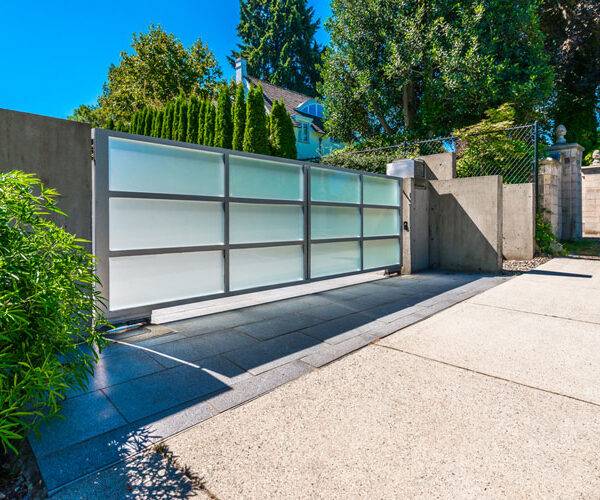
Sliding Gates: Space-Efficient and Ideal for High-Wind Areas
Sliding gates move horizontally along a track or in a cantilever system (no ground track). They are commonly used for:
-
Narrow or sloped driveways
-
Properties near roadways
-
Homes where a swing gate would interfere with vehicles
Best for:
-
Modern homes, estates, and larger openings
-
Driveways with limited space behind the gate
-
Florida properties where wind exposure is a concern
Sliding gates are often preferred in high-wind zones because they don’t “catch” wind like a swing gate does.
Key Factors That Determine the Right Gate Type
1) Driveway Slope and Space
A sloped driveway can cause swing gates to drag, bind, or open improperly. In these cases, a sliding gate is usually the better option.
Ask yourself:
-
Is the driveway flat where the gate will be installed?
-
Is there room behind the gate for full swing clearance?
-
Do vehicles queue near the street?
If the answer is “yes,” sliding gates can provide safer traffic flow and better functionality.
2) Wind Exposure and Storm Considerations
Florida storms aren’t hypothetical—they’re part of life. Gate designs should account for:
-
Wind load pressure
-
Material integrity
-
Reinforced frames
-
Secure anchoring and posts
For high wind exposure:
-
Consider gates with more open spacing (picket-style)
-
Avoid solid panels unless properly engineered
-
Sliding gates typically handle strong gusts better
3) Gate Material for Florida Conditions
Gates must resist corrosion and weather-related wear. The top material choices include:
Aluminum (Highly Recommended)
-
Rust-resistant
-
Lightweight (better for automation)
-
Great for coastal zones
-
Can mimic wood look with powder-coated finishes
Steel (Strong but Needs Protection)
-
Heavy-duty strength
-
More wind-resistant with reinforced builds
-
Requires proper coatings to prevent rust
Wood (Beautiful, Higher Maintenance)
-
Natural look, strong curb appeal
-
Requires sealing/staining
-
More susceptible to humidity and warping
If you want long-term performance with low maintenance, powder-coated aluminum is often the best fit for Florida.
Understanding Gate Automation: What You’re Really Buying
Automation isn’t just the motor—it’s a system. When comparing gate automation options, homeowners should evaluate the full setup:
Gate Operator Types
-
Swing gate operators (arm operators or underground systems)
-
Sliding gate operators (rack-and-pinion motor systems)
Your gate size, weight, and usage frequency determine which operator strength you need.
Must-Have Safety & Convenience Features
Florida homeowners often want gates that work flawlessly every day—without becoming a maintenance headache. These features make a significant difference:
Photo Eyes (Safety Sensors)
Detect objects and stop/return the gate if something is in the path—critical for:
-
children and pets
-
vehicles entering slowly
-
high-traffic households
Vehicle Detection Loops
Installed in the driveway surface, these loops automatically open the gate when a vehicle approaches.
Soft Start / Soft Stop
Prevents wear and tear by reducing sudden starts and stops, improving motor lifespan.
Manual Release
During power outages (common in storm season), manual release allows entry/exit.
Access Control Options: Choose the Right Entry Method
Modern gates offer multiple access options. The best setup often combines several:
-
Keypad entry (for guests and service providers)
-
Remotes (easy daily use)
-
Smartphone app access (ideal for busy homeowners)
-
Video intercom systems (screen visitors before opening)
-
RFID or transponder systems (high-end convenience)
If you frequently have deliveries, contractors, or short-term visitors, smartphone access and keypad systems make gate ownership dramatically easier.
Matching Gate Style to Your Home’s Architecture
A gate should look like it belongs on the property—not like an afterthought. Popular Florida styles include:
Modern Horizontal Slat Gates
-
clean lines, upscale look
-
often paired with sliding gates
-
excellent for contemporary homes
Estate-Style Picket Gates
-
elegant and classic
-
better wind flow than solid gates
-
perfect for coastal and traditional architecture
Privacy Gates with Decorative Accents
-
increased privacy with custom patterns
-
great for larger properties
A custom-built gate allows you to align design with:
-
fencing style
-
home exterior finishes
-
driveway layout
-
landscape and lighting
Maintenance Tips for Automated Gates in Florida
Even a high-quality gate system needs routine attention. To prevent breakdowns:
-
clean tracks (for sliding gates) regularly
-
inspect hinges and brackets
-
keep sensors clear of debris
-
service the motor annually
-
ensure coatings remain intact to prevent corrosion
A gate that’s installed properly and maintained consistently will perform reliably year after year.
Selecting the Best Gate for Your Lifestyle
Choosing the right gate is about balancing function and design. Swing gates deliver elegance and classic appeal, while sliding gates offer practical benefits for space, slope, and wind-heavy environments. Automation should be selected with Florida weather, safety needs, and daily convenience in mind.
When you’re ready to invest in a long-lasting, secure, and visually impressive gate system, Florida Gates and Fences can help you select the ideal custom swing or sliding gate with the right automation and access control for your home. Call 954-663-5928
Frequently Asked Questions
1) Is a swing gate or sliding gate better for Florida hurricanes?
Sliding gates are typically better in windy areas because they don’t act like a sail. Swing gates can work well if designed with wind flow spacing and reinforced hardware.
2) Do automated gates work during power outages?
Yes—if your system includes a manual release. Many homeowners also choose battery backup systems for uninterrupted use.
3) What’s the lowest-maintenance gate material for Florida?
Powder-coated aluminum is one of the best choices because it resists rust, handles humidity well, and stays lightweight for automation.
4) How long does a gate automation system usually last?
With proper installation and routine servicing, a quality gate operator can last 10+ years depending on usage and environmental exposure.



Recent Comments